Elementallis
A 16-bit love letter with lots of personality elements
I know that the "third dimension" was a big step on videogames, but I still have a corner of my heart to keep loving 2D top-down games. There is something about how approachable and dynamic those games are that the complex 3D cameras never really got it. Maybe this is the reason I follow Elementallis since its announcement in 2020: a 2D top-down game that is trying to bring something new to the table.
Before starting talking about the game, yes, Elementallis is inspired (a lot) by older The Legend of Zelda games. The world that keeps opening, the sword and shield combo, the dungeons with boss keys and special items, the pushing block puzzles, the heart containers, the bigger wallets, even some types of enemies. Specially on structure, this game feels like a love letter to the 16-bit Nintendo classics and, to be fair, it's a really competent one. There is nothing mind blowing on dungeon design or something like that, but the team knows what 2D Zelda does better and found their way to do it.
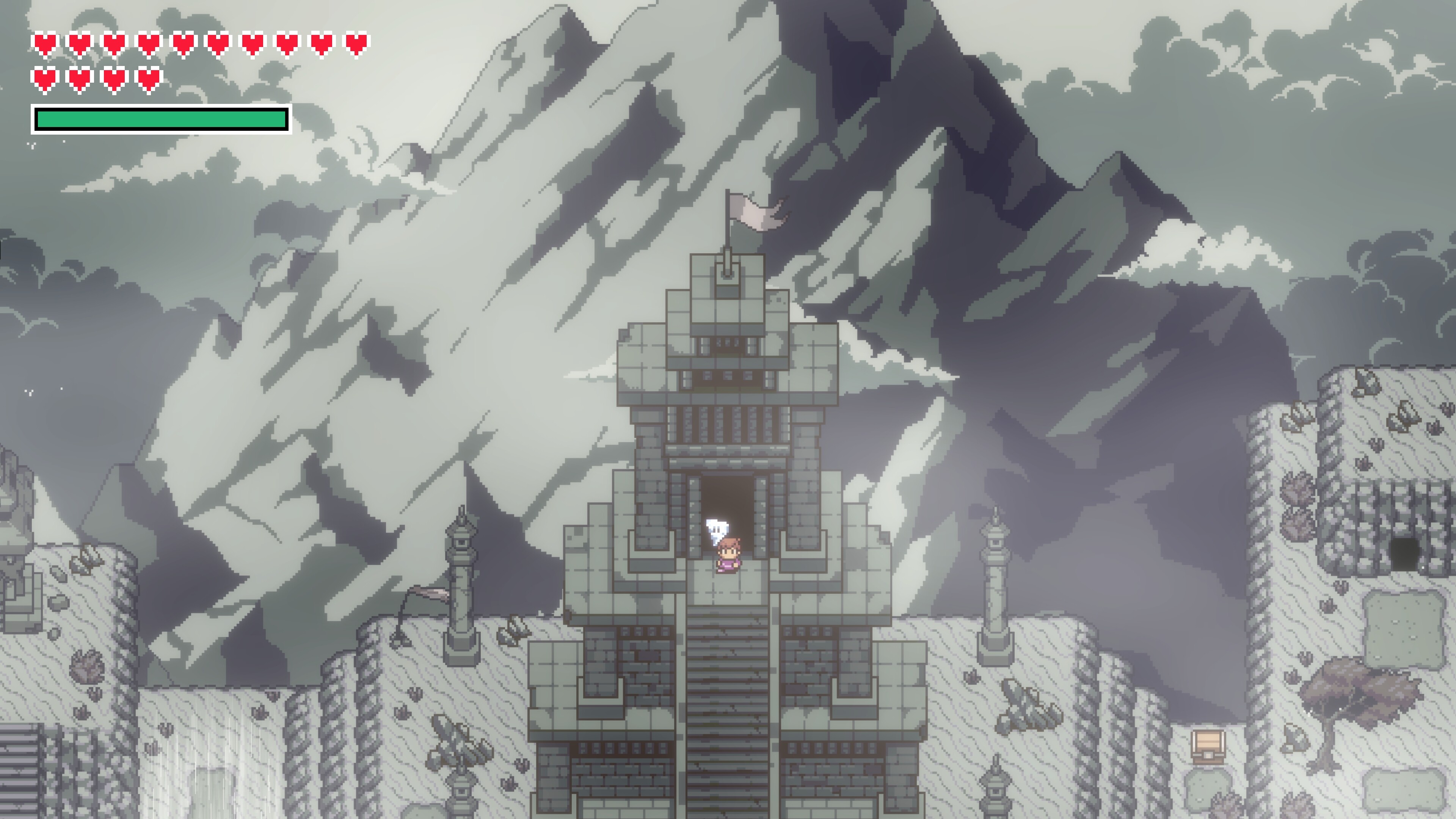
Now that's already said, let's focus on what makes Elementallis an unique experience, starting by the presentation of its world. Visually, the game is obviously inspired by the limited palettes of yesterday, but doesn't follow those restrictions as rules. The world of Elementallis is pretty, specially when colorful lights shine through the pixels. Although every biome is fairly common place - like a desert, then a cold mountain, then a volcano, etc. - the connection between them in the world map is a really cool touch.
That said, the most unique artistic aspect of the game is the narrative. Instead of being an acclaimed hero, the last hope against The Evil and loved wherever you go, you are actually a misfit, moved by shame. Elementallis is set after a cataclysm that destroyed the elements of nature by some rogue elementalists, a group of people that studied and controlled their power.
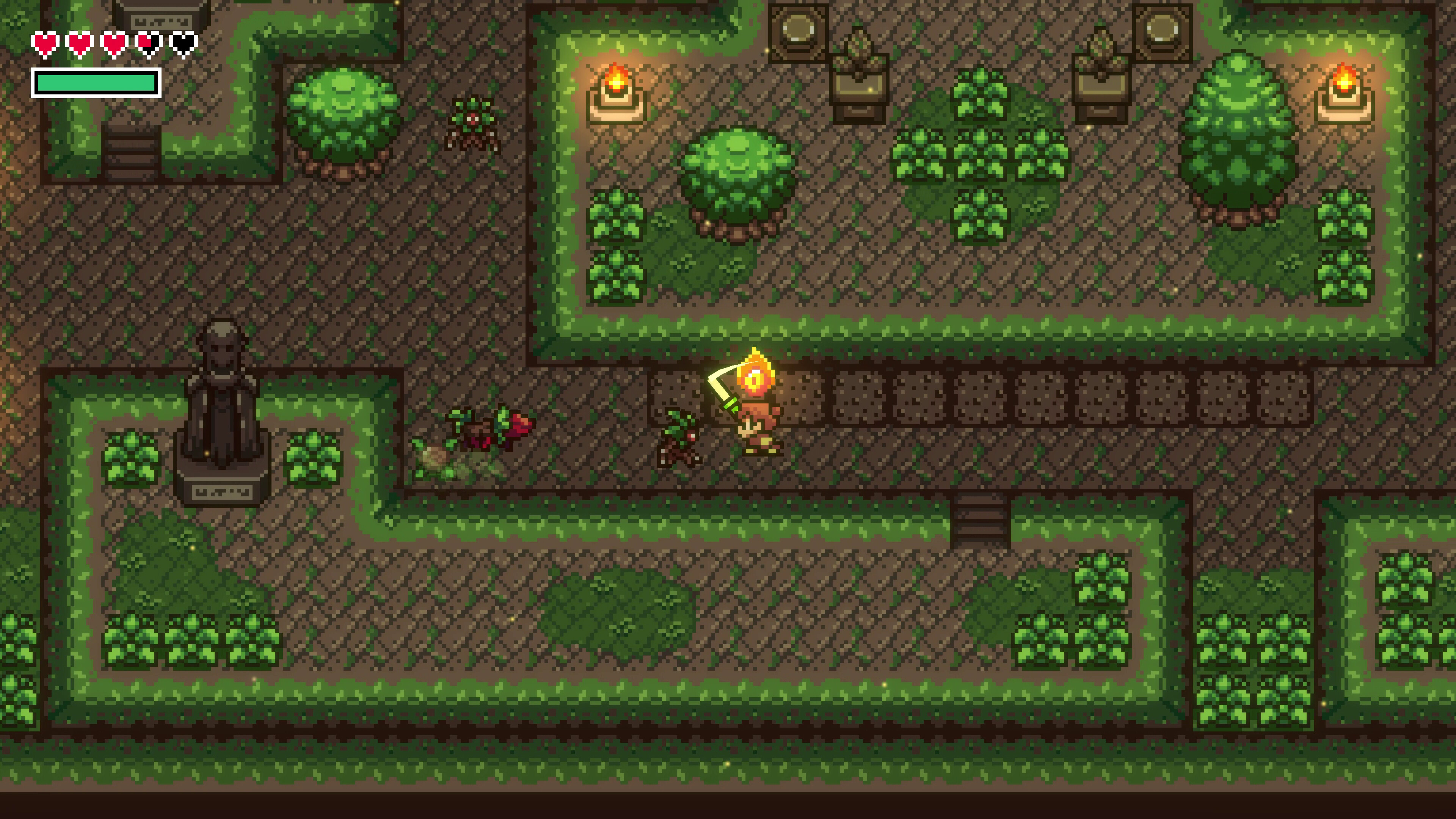
Wherever you go, the locals still blame them for the state of the world and this reflects on how your character also fits in the story of each region. There isn't a lot of big setpieces, but there's some cool takes on how different groups of people behave when faced with a disaster, according to their laws and beliefs. Even with small dialogues, I felt invested to understand the story behind each village and how the element changed their lives.
Gameplay-wise, the great selling point is, of course, conquering the elements! Inside each temple, you can find the power of a different element - like fire, water, wind or ice - that can be learned by your elemental and used as part of your arsenal from that point in the story. Think of key items you find on Zelda dungeons, but a level above: all elements are useful both for battling and for solving puzzles or just traversing the world.
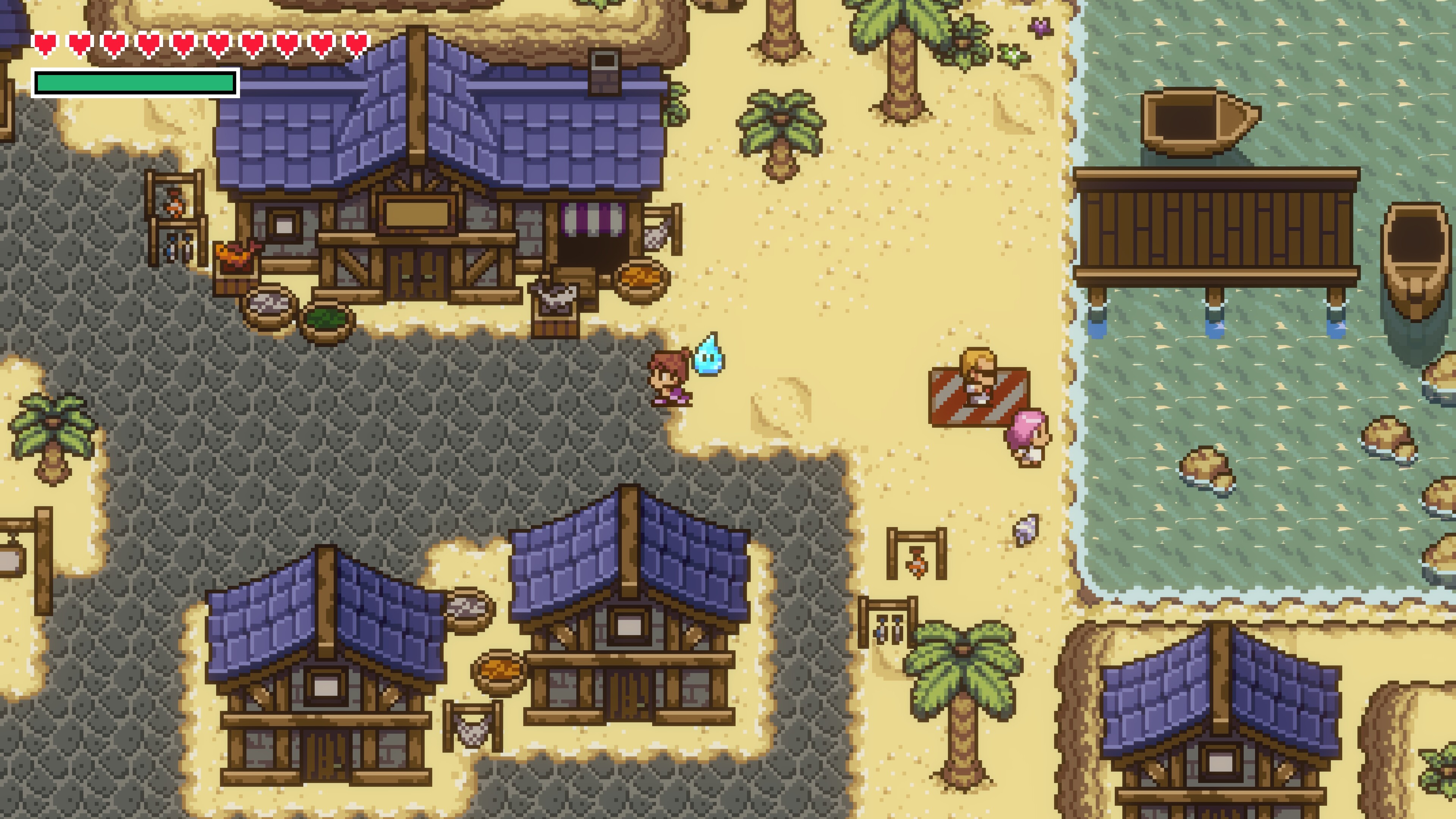
Since the announcement, this was the feature that got my immediate attention and now that I played, I feel that this build-up of years didn't helped a lot, although the implementation is fair and interesting. Some of the elemental powers really give you ways to experiment and try new things, both in traversal or battling. I loved to use my fireball as a ranged weapon, freeze enemies with heavy shields to backstab them or dashing through the map as a feather in the wind. Although the game doesn't particularly encourage it, combining elements also create interesting effects.
At the same time, most of the powers could only be used on specific targets or are too situtational to be used freely on battles. Like, it's great to break rocks now, but it's strange I can only break one specific type of rock, you know? Those situations aren't too much different from Zelda items, for example, what makes me a little disappointed. Seven years ago, when I saw it for the first time, I think it was cooler, but nowadays it can feel a little bit underbaked - specially with other games on the market doing the "combinatorics of elements" so well like the indie game Rhell or even Nintendo's own Echoes of Wisdom.
If you want to look into it just as a Zelda love letter, it's a really good one. But Elementallis must also be praised for what it does on their own terms. With an interesting narrative point-of-view, beautiful visuals and a well-implemented element system to help you traverse the world, this team knows what makes a great 2D top-down adventure game. It may not have been as impressive as I expected seven years ago, but it's definitely as much fun as I imagined.